Why You Don't Have to Do Everything Alone: How Support Helps Calm Your Nervous System
Have you ever caught yourself thinking, "It's just easier if I do it myself"?
Maybe you're the one everyone depends on. You remember the appointments, organise the family, support your friends, keep working, keep smiling, and somehow keep everything moving.
From the outside, you look capable. But inside, you feel tired. Maybe even lonely.
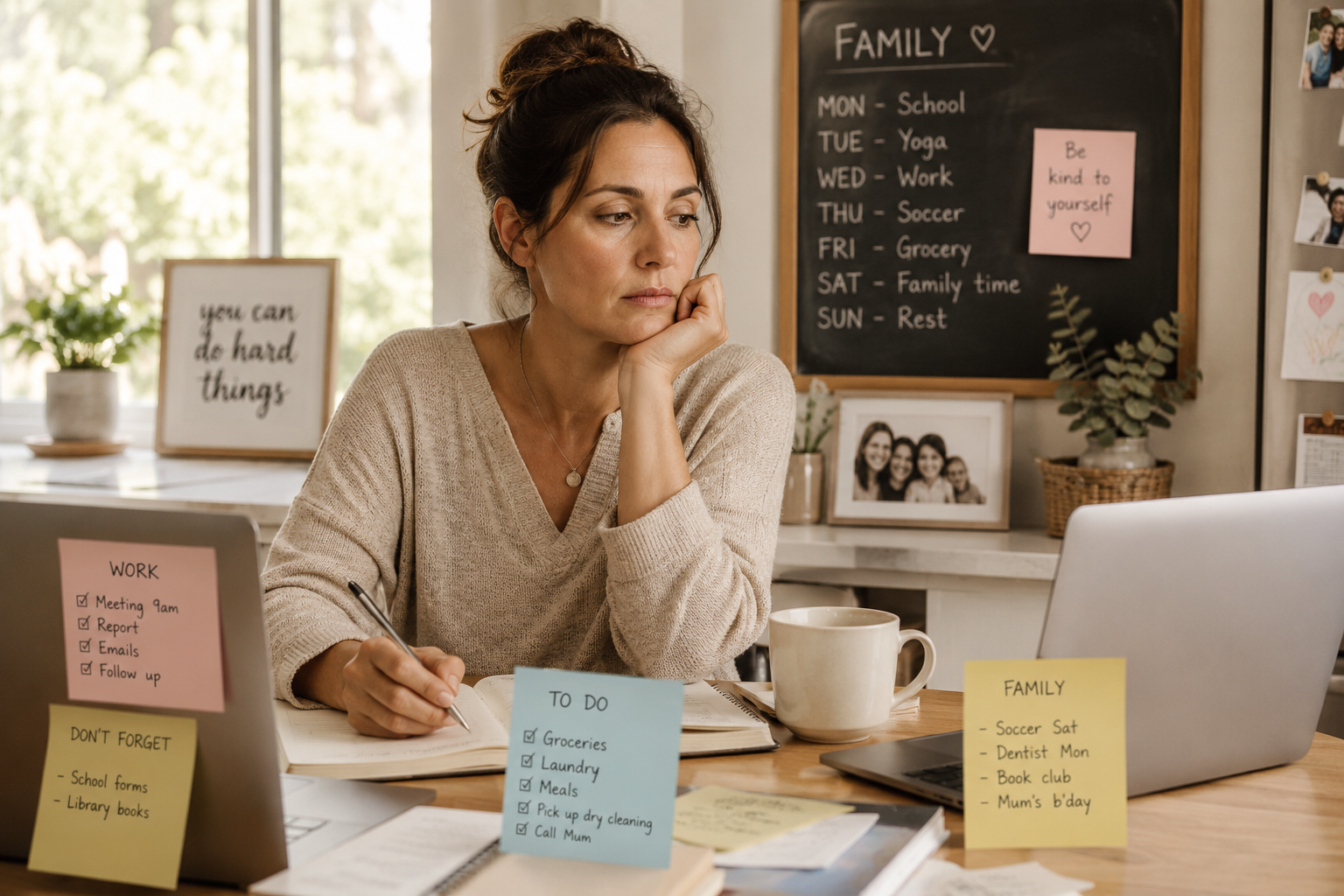
If that sounds familiar, I want you to know something important: feeling overwhelmed doesn't always mean you need to become stronger or more organised. Sometimes it means you've simply been carrying too much on your own for too long.
Your nervous system wasn't designed to do that.
Your nervous system isn't meant to regulate alone
We often think being independent means we should be able to handle everything ourselves.
But our bodies tell a different story.
From the moment we're born, we learn to feel safe through connection. A baby calms in the arms of a steady adult. A soothing voice, gentle touch or familiar heartbeat helps their nervous system settle.
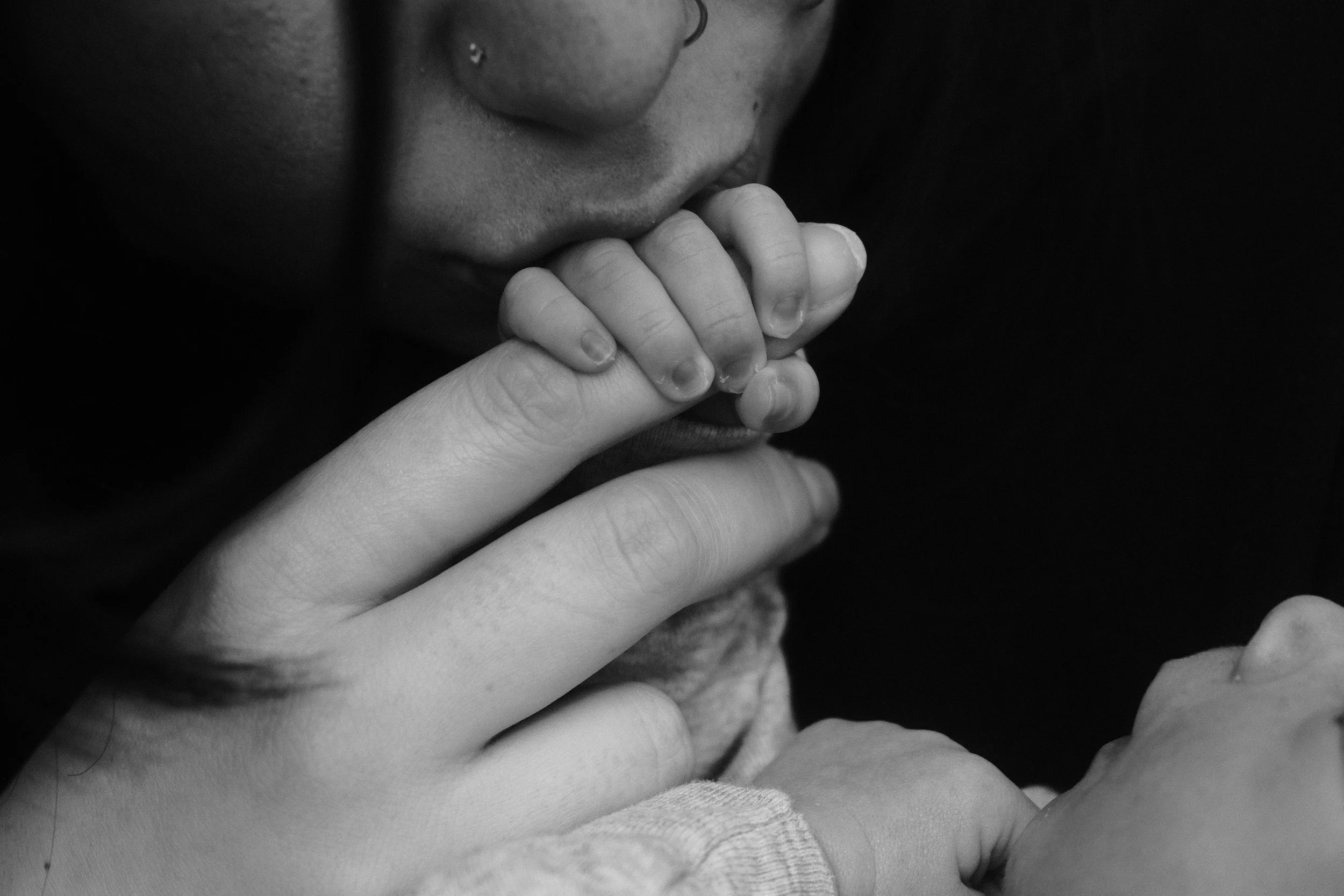
This process is called co-regulation, and it doesn't stop once we become adults.
Even now, your nervous system responds to safe, supportive people. A calm conversation with a trusted friend, sitting quietly beside someone who understands, or simply feeling seen can help your body shift out of stress and into a greater sense of ease.

Needing support isn't a sign you've failed.
It's part of being human.
Why asking for help can feel so difficult
If leaning on someone feels uncomfortable, you're not alone.
Many women have learned—often without realising it—that asking for help is risky. Perhaps you've been disappointed before. Maybe you grew up believing you had to be the strong one, or that being self-sufficient made you more worthy.
Over time, your nervous system may have decided that relying only on yourself feels safer.
If that's where you are, there's no need to judge yourself.
Instead, you might simply acknowledge the part of you that has worked so hard to protect you.
You could even say to yourself:
"Thank you for helping me survive when I felt I had to do everything alone."
Healing doesn't mean forcing yourself to become vulnerable overnight.
It means slowly teaching your body that support can be safe.
Small moments of support help your body feel safe again
Learning to receive support doesn't have to mean handing someone your entire world.
Often, it begins with one small step.
That might look like:
Saying "yes" when someone offers to help.
Telling a trusted friend how you're really feeling.
Joining a supportive community where you don't have to pretend everything is fine.
Letting someone simply listen instead of trying to fix everything yourself.
These moments may seem small, but they send a powerful message to your nervous system:
"I don't have to carry this alone anymore."
Little by little, your body begins to experience something it may have been missing for a long time—a sense of safety in connection.
When you're alone, your breath can become your anchor
There will also be moments when no one else is around.
In those moments, your own breath can become a gentle source of support.
Try this simple practice:
Breathe in slowly through your nose for a count of four.
Exhale gently for a count of five.
Repeat for five slow breaths.
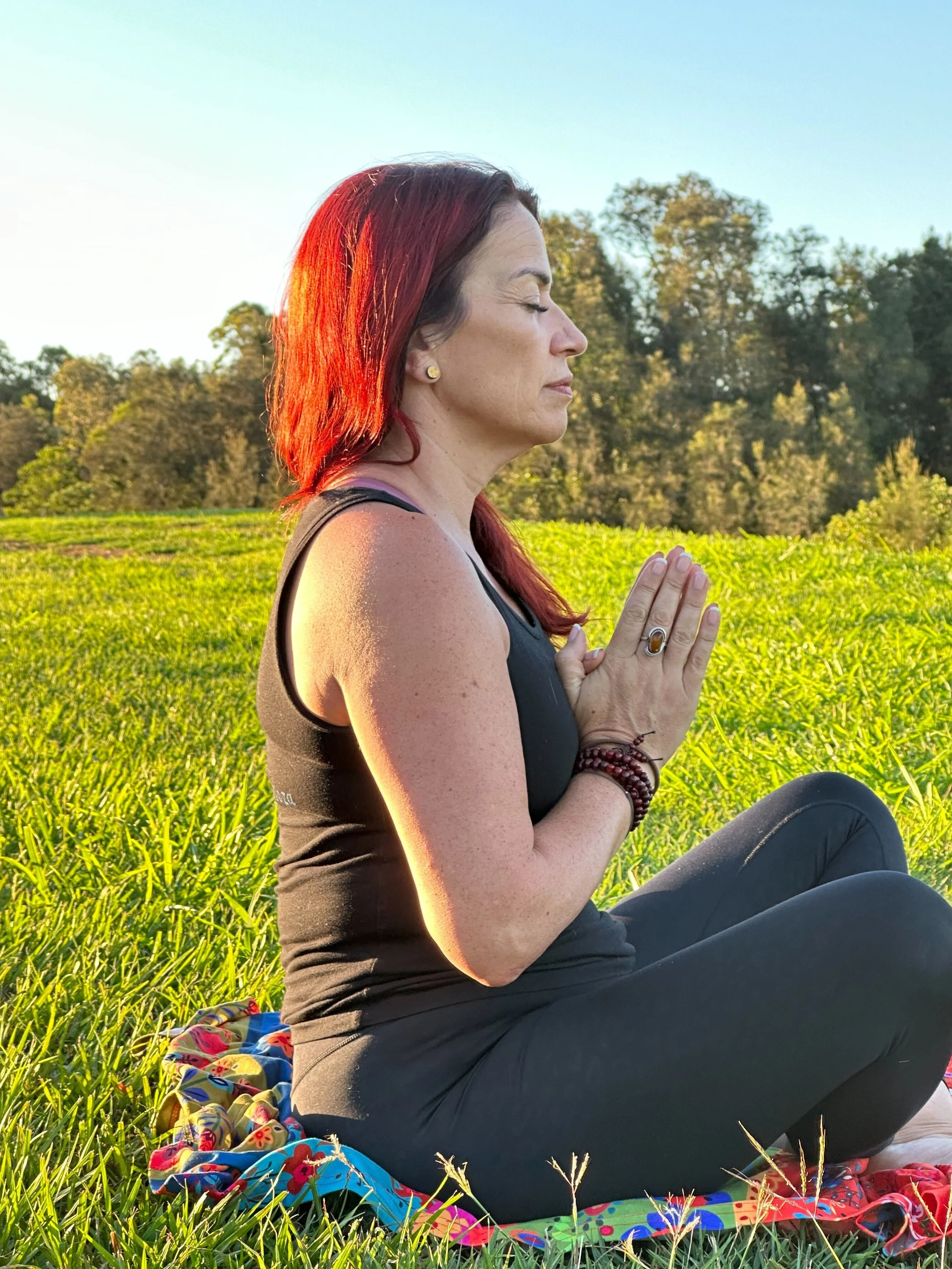
If you'd like to go a little deeper, you can try Brahmari, also known as Humming Bee Breath.
As you exhale, make a soft humming sound.
The vibration created by the hum stimulates the vagus nerve, which plays an important role in helping your nervous system move out of stress and into a calmer state.
You don't need to do it perfectly.
Simply allowing yourself a few slow, mindful breaths can remind your body:
"I'm safe in this moment."
You don't have to carry it all anymore
Here's a gentle question to sit with today:
Where are you still carrying everything alone?
And perhaps an even gentler one:
Who could you let in, even just a little?
Not all at once.
Not by handing over every burden.
Just one honest conversation.
One small request.
One moment of allowing yourself to be supported.
Because beneath all the strength you've shown, there is likely a part of you that simply wants to feel held.
And that's not weakness.
That's your nervous system remembering what it has always needed.
Listen to the Podcast
If this article resonated with you, I'd love to invite you to listen to the full episode of The Adawning Podcast, inspired by the beautiful song Lean on Me by Bill Withers.
In the episode, we explore the science of co-regulation, why support is essential for nervous system health, and finish with a calming guided breathing practice you can experience alongside me.
A Gentle Next Step
If you're longing for a place where you don't have to carry everything on your own, finding the right community can make all the difference.
At New Dawn Wellness, creating spaces where women can slow down, connect and regulate their nervous systems together is at the heart of everything we do.
If you're looking for ongoing connection and personal growth, Soul Mastery Sanctuary is our online community where women come together each week to explore mindfulness, nervous system regulation, healing and meaningful conversations in a supportive space.
👉 Learn more about Soul Mastery Sanctuary
If you'd prefer to experience connection in person, our monthly Shakti Rising Women's Circle offers a gentle opportunity to pause, reflect and be held in the company of other women who understand the value of slowing down and supporting one another.
👉 Check out our upcoming events like Shakti Rising Women’s Circle
You don't have to be at breaking point before you reach out.
Sometimes healing begins with simply saying yes to being in a room—or on a screen—with people who remind you that you were never meant to do life alone.